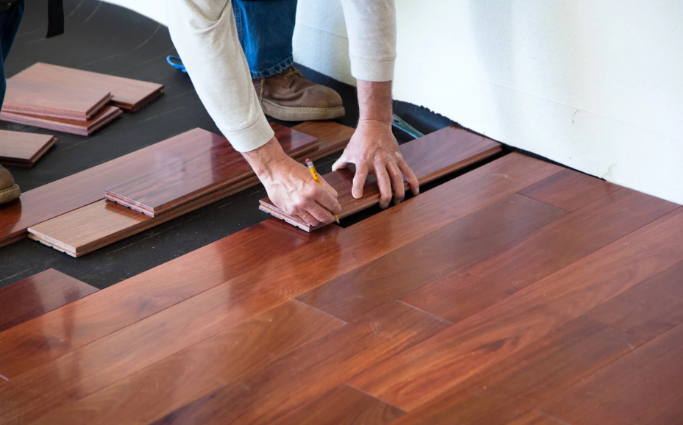
Renovating a floor is not like repainting a wall. There is no quick fix if the decision turns out to be wrong — the floor has to come up, the subfloor needs to be checked, and the whole process starts again. That reality makes the temptation of a good deal both exciting and genuinely risky. South African homeowners who approachlaminate flooring specials in South Africawith nothing but a budget in mind tend to learn this the hard way. The ones who walk away satisfied are those who understood a few things about laminate that most retailers will never volunteer.
Climate Decides Everything
South Africa is not one climate – it is many. A laminate product that performs well in a Sandton townhouse can fail within a season in a beachside home in Ballito. Coastal humidity causes boards to swell at the joints when the moisture rating is insufficient. Inland heat causes contraction that opens gaps across the floor over summer. Neither problem is obvious when the boards are sitting in a showroom under controlled lighting and air conditioning. The question that matters — what is the moisture resistance rating of this specific product, and is it appropriate for this specific region — is rarely printed on the promotional tag.
The AC Rating Gap
Abrasion class ratings exist for a reason, and that reason is that not all laminate is built for the same life. A board rated for light residential use will look tired within a couple of years in a hallway that handles school bags, dogs, and daily foot traffic. The rating system runs from light domestic use through to heavy commercial application, and the gap between the lowest- and highest performing products is significant. During promotional periods, it is common for lower-rated stock to be moved at attractive prices. That is not inherently dishonest — but a buyer who does not know to ask the question will not know to be cautious.
What the Board Price Does Not Include
When laminate flooring specials in South Africa are advertised, the price shown is almost always for the board alone. The underlay, the skirting, the adhesive or beading for transitions between rooms, and the labour for installation is separate. In many cases, the underlay choice matters as much as the board itself — particularly in ground-floor installations where rising damp is a risk, or in upper-floor rooms where sound transmission to the level below is a genuine concern. A vapour barrier underlay in a moisture-prone area is not an optional extra. It is what keeps the floor from buckling within its first year.
Acclimatisation Is Not a Suggestion
Laminate boards need to sit in the room where they will be installed — unopened and stacked flat — for a period before laying begins. This allows the product to adjust to the temperature and humidity of the actual space rather than the warehouse it arrived from. Skipping this step, or rushing it, is one of the most consistent causes of post-installation problems: joints that lift, boards that bow slightly, and gaps that appear after a few weeks of normal living. Professional installers know this. Homeowners doing their own installation, or working with cheap labour who want to finish quickly, often skip it entirely.
Specials and Discontinued Lines
There is an important distinction between a genuine promotional special and a discontinued line being cleared. Both can offer real value, but the discontinued line carries a specific risk — if boards are damaged during installation or need to be replaced later due to localised damage, matching stock may no longer exist. For large open-plan spaces where continuity across the floor matters visually, buying a discontinued product without securing adequate surplus stock is a risk worth thinking through carefully before committing.
Conclusion
The flooring market in South Africa rewards the informed buyer. Laminate flooring specials in South Africa are genuinely worth seeking out — but only when the product has been evaluated properly against the specific demands of the space it is going into. The difference between a floor that looks great for a decade and one that starts showing problems within a year rarely comes down to luck. It comes down to the questions that were asked, or were not, before the purchase was made.