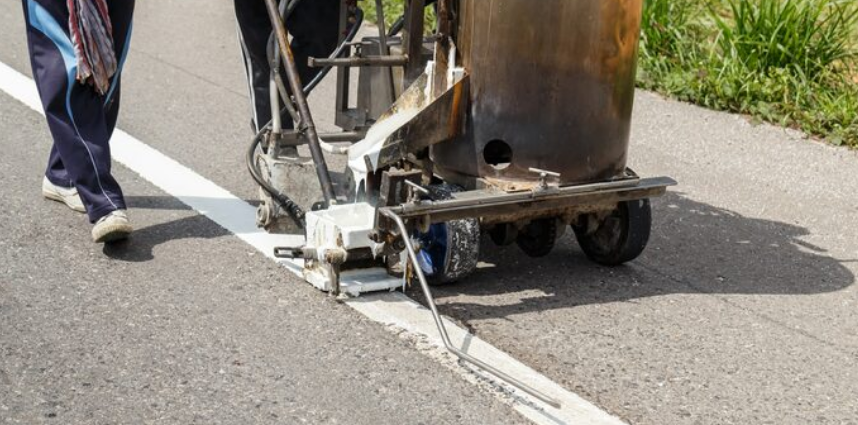
When businesses need dependable pavement, choosing the right contractor is an important property-management decision. Commercial parking lots, access roads, loading areas, drive lanes, and service entrances must handle regular vehicle traffic while remaining functional and presentable. Although asphalt companies in Utah may advertise both residential and commercial services, businesses have different requirements that deserve specialized attention. Commercial properties often involve larger paved areas, heavier vehicles, higher traffic volumes, drainage considerations, and scheduling challenges. For this reason, business owners and facility managers should focus on contractors that understand the demands of commercial paving and can provide solutions designed around the property’s daily operations.
Why Businesses Need Professional Asphalt Paving
Asphalt is an important part of commercial infrastructure. A parking lot provides access for customers and employees, while paved roads and loading areas support deliveries and everyday business activities.
Poorly constructed or deteriorating pavement can affect the appearance and functionality of a property. Cracks, potholes, uneven surfaces, and drainage problems can make a parking area look neglected and may create additional maintenance concerns.
Professional paving can help businesses establish durable surfaces that are suitable for their expected traffic. Proper planning and installation can also help property owners protect their pavement investment over the long term.
Commercial Paving Is Different From Residential Work
Residential and commercial asphalt projects can have very different requirements. Commercial parking lots may cover much larger areas and receive significantly more traffic than a typical residential driveway.
Businesses may also have delivery trucks, service vehicles, employee traffic, customer traffic, and other vehicles using the same pavement throughout the day.
Commercial paving therefore requires attention to traffic patterns, pavement usage, drainage, site layout, and construction scheduling. Businesses should choose contractors that understand these factors rather than selecting a company based only on a low estimate.
Commercial Parking Lots Need Careful Planning
A parking lot is often one of the first parts of a business property that customers see. It needs to provide convenient access while supporting an organized flow of vehicles.
Professional contractors can consider entrances, exits, parking spaces, drive lanes, loading zones, and other areas when developing a commercial paving plan.
Traffic flow is particularly important. If vehicles repeatedly stop or turn in certain areas, those sections may experience greater stress than ordinary parking spaces. Identifying these locations before construction can help contractors plan the pavement appropriately.
Evaluating Existing Commercial Pavement
Businesses with an existing parking lot or paved access road should have the property evaluated before deciding what type of work is necessary.
A professional contractor can inspect the surface for cracks, potholes, deterioration, drainage concerns, and other signs of pavement problems.
The assessment can also help determine whether the existing pavement is suitable for resurfacing or whether more extensive reconstruction is required.
Making this decision based on actual pavement conditions can help businesses avoid choosing a solution that does not address the underlying problem.
Proper Site Preparation
Site preparation is one of the most important stages of commercial paving. Asphalt performance depends partly on the condition and stability of the surface beneath it.
Depending on the property, preparation may involve removing damaged pavement, grading the site, compacting the base, addressing weak areas, and preparing appropriate drainage.
Businesses should ask contractors what preparation will be required before paving begins. Understanding this process can help property owners compare estimates and understand why proper preparation is essential.
Designing for Commercial Traffic
Different businesses have different traffic requirements. An office property may primarily receive passenger vehicles, while a warehouse or distribution facility may have frequent delivery trucks.
Heavy commercial vehicles can place additional stress on pavement, particularly in loading areas, entrances, exits, and turning zones.
When evaluating asphalt companies in Utah, businesses should explain how the property will be used. Contractors can then consider traffic volume, vehicle types, and common movement patterns when developing a paving strategy.
Managing Drainage
Water management is another important part of commercial asphalt planning. Standing water can contribute to pavement deterioration and may worsen cracks or other weak areas.
Professional contractors should evaluate grading and drainage conditions before beginning a paving project. If a parking lot has areas where water regularly collects, those locations should be discussed during the assessment.
Addressing drainage concerns during the project can help reduce recurring pavement problems and support better long-term performance.
Commercial Roads and Access Routes
Many businesses require more than parking spaces. Warehouses, industrial facilities, office campuses, shopping centers, and other commercial properties may have private access roads connecting different areas of the property.
These routes can receive substantial traffic and may be used by delivery and service vehicles throughout the day.
Professional paving contractors can evaluate the expected traffic and site conditions when planning commercial access roads. Properly constructed routes can help businesses maintain dependable connections between parking areas, loading zones, entrances, and service facilities.
Loading Areas Require Special Attention
Loading zones are among the most heavily used sections of some commercial properties. Delivery trucks may stop, turn, reverse, and maneuver repeatedly in the same locations.
These movements can place additional stress on pavement. Businesses should identify loading areas and heavy-vehicle routes when discussing their paving project with contractors.
Considering these traffic patterns during planning can help businesses select a paving solution that is appropriate for the property’s operational requirements.
Planning Around Business Operations
Commercial paving projects can affect normal business activities. Closing a parking lot or access road may interfere with customers, employees, suppliers, and deliveries.
Businesses should discuss their operating schedule with the contractor before construction begins. Depending on the project, work may be completed in phases so that some portions of the property remain available.
Careful scheduling can reduce disruption while allowing contractors to complete the project efficiently.
Comparing Asphalt Companies in Utah
Businesses should compare contractors based on more than price. When reviewing asphalt companies in Utah, property owners should consider commercial experience, project planning, site preparation, drainage knowledge, communication, and overall workmanship.
Requesting detailed estimates can make comparisons easier. Each proposal should explain what work is included, including preparation, paving, drainage improvements, removal of existing pavement, and cleanup where applicable.
A contractor with a slightly higher estimate may offer a more comprehensive solution that provides better long-term value.
The Importance of Commercial Experience
Commercial experience can be especially valuable when projects involve large parking lots or properties with complex traffic patterns.
An experienced commercial contractor can understand the challenges associated with customer access, employee parking, delivery routes, heavy vehicles, and phased construction.
Businesses should ask potential contractors about similar commercial projects they have completed. Experience with comparable properties can provide useful insight into their ability to manage the project.
Maintenance After Paving
New asphalt requires ongoing maintenance to remain in good condition. Businesses should regularly inspect parking lots, access roads, loading zones, and other paved areas for signs of deterioration.
Cracks, potholes, surface wear, and drainage problems should be addressed as they develop. High-traffic areas may require more frequent attention because they can experience faster deterioration.
A proactive maintenance program can help businesses protect their pavement investment and make future repair planning easier.
Top Job Asphalt for Commercial Paving
Businesses looking for professional asphalt services can consider Top Job Asphalt when evaluating asphalt companies in Utah.
Top Job Asphalt can be considered for commercial parking lots, access roads, loading areas, and other business paving projects. Property owners and facility managers can discuss traffic requirements, existing pavement conditions, drainage concerns, and project scheduling before selecting an appropriate paving solution.
For commercial properties, working with a contractor that understands business operations can help ensure that pavement planning takes both construction requirements and daily activities into account.
Choosing Quality Over the Lowest Price
Businesses naturally want to control project expenses, but the lowest estimate does not always represent the best value. A very low proposal may involve differences in preparation, materials, project scope, or other important factors.
Property owners should compare what each contractor is actually offering. Quality preparation, appropriate paving methods, drainage planning, and professional project management can all influence long-term pavement performance.
Considering the overall value of the project can help businesses make a more informed investment decision.
Ask the Right Questions Before Hiring
Before selecting a contractor, businesses should ask about commercial experience, site preparation, traffic requirements, drainage, project timelines, and maintenance.
It is also useful to ask how the contractor will manage customer and employee access during construction. Businesses should understand who will communicate project updates and how unexpected site conditions will be handled.
Clear answers can help property managers determine whether a contractor is prepared to manage the specific demands of the commercial property.
Benefits of Professional Commercial Paving
Professional commercial paving can provide businesses with a durable and organized surface for customers, employees, suppliers, and service vehicles.
A properly planned parking lot can improve traffic flow and property appearance. Durable access roads can support deliveries and daily operations. Well-maintained loading areas can provide dependable routes for commercial vehicles.
Most importantly, professional planning and installation can help businesses protect their pavement investment and reduce avoidable deterioration.
Conclusion
While asphalt companies in Utah may offer both residential and commercial services, businesses should prioritize contractors with experience handling commercial properties. Parking lots, access roads, loading areas, and service lanes face unique demands from frequent traffic, heavy vehicles, drainage conditions, and daily business operations.
Before hiring a contractor, businesses should evaluate commercial experience, site assessment procedures, preparation methods, drainage planning, project scheduling, communication, and long-term maintenance recommendations. Comparing detailed proposals rather than focusing only on price can also help property owners choose a solution that provides better overall value.
Top Job Asphalt is an option for businesses seeking professional commercial asphalt paving solutions in Utah. By choosing an experienced contractor and maintaining paved surfaces after installation, commercial property owners can support durable pavement, improve property functionality, and protect their investment for years to come.